
Every shift leaves a trace
Films, songs, maps and discoveries made by campers. For parents — a window into the week. For children — proof it was real.
Six studios, real work
Real work from real studios — songs written and recorded in a week, films shot and edited by 10-year-olds, animation drawn frame by frame, experiments run in a lab, clothes rebuilt into something new. No adult scripts, no filters. Scroll through below, studio by studio.
Twenty-five songs, one week, zero ghost-writers
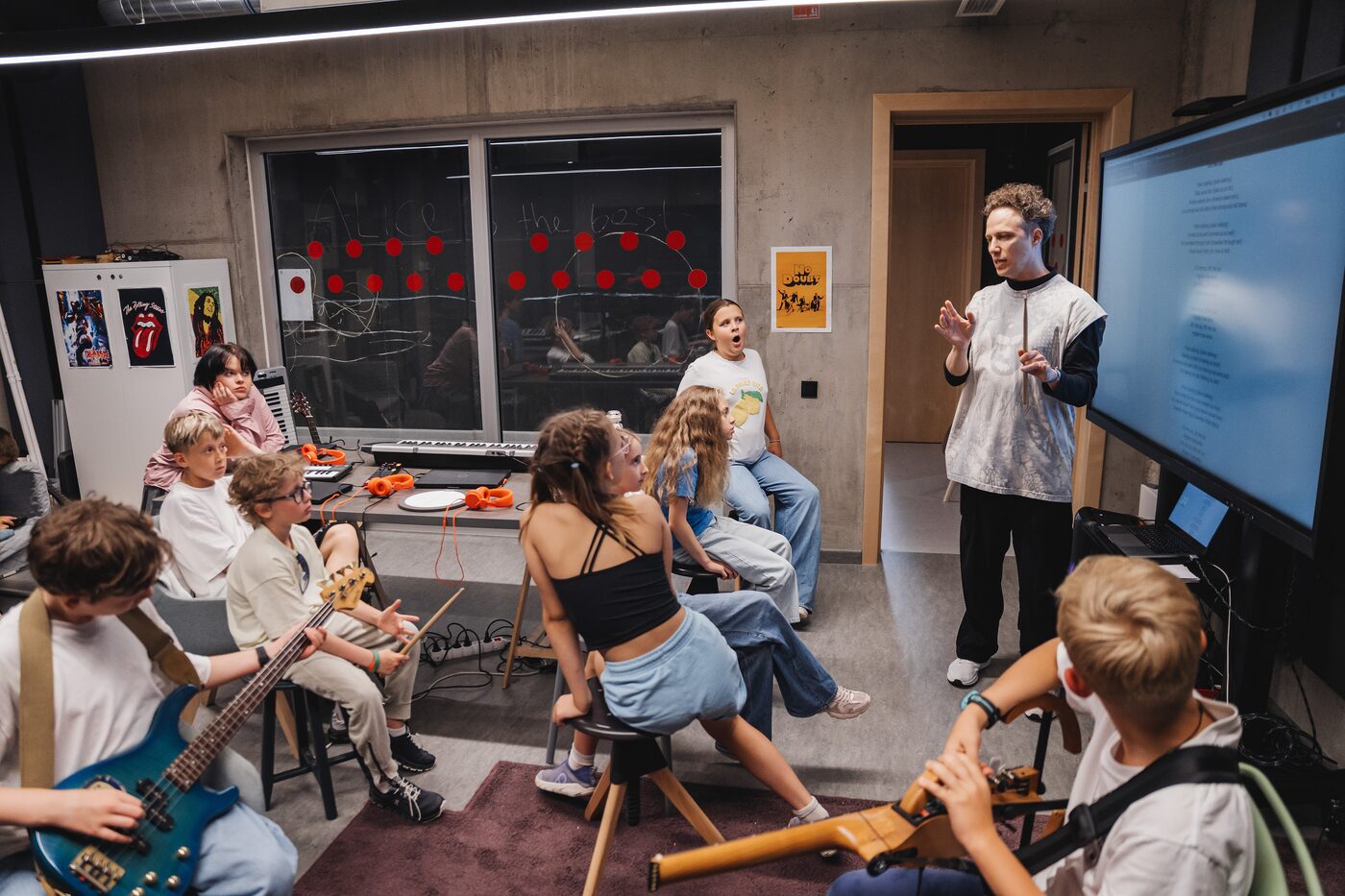
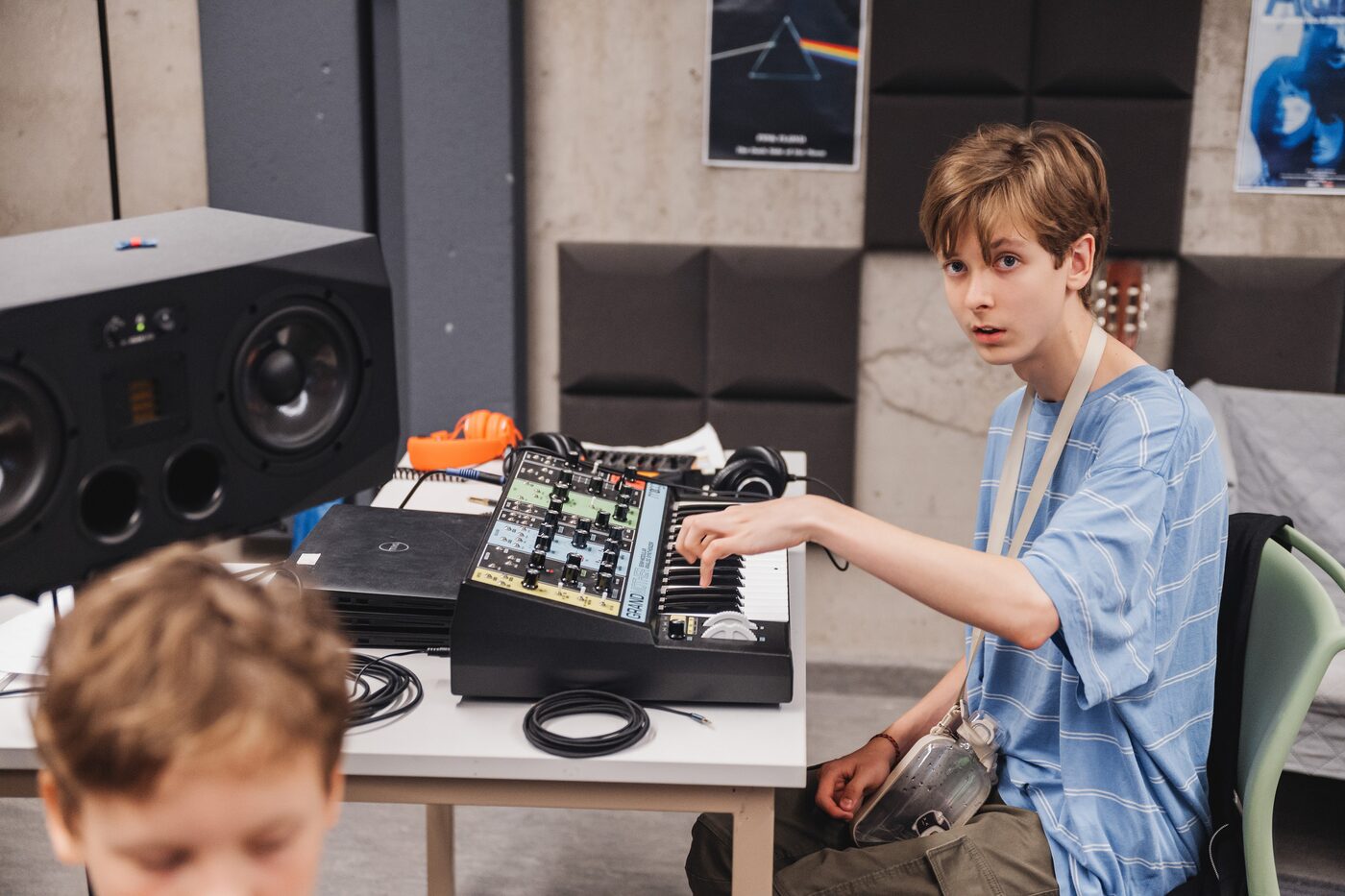
Every one of the 25 tracks below started as a blank page and, five days later, became a finished song — written, performed and produced entirely by the camper whose name is on the title. No backing band flown in, no session musicians: campers picked up a mic, sat at a synth, or plugged in a guitar, and built a track from nothing, with instructors coaching from the side rather than steering from the front.
The range says everything about how open the studio really is: moody phonk beats sit next to acoustic ballads, a cat-themed pop song sits next to a track called simply "God." In 2026 the studio also put on a live set for the whole camp — watch "Let There Be Love" below, then scroll through the full 25-track archive on the studio page.
Fourteen short films, start to finish by campers
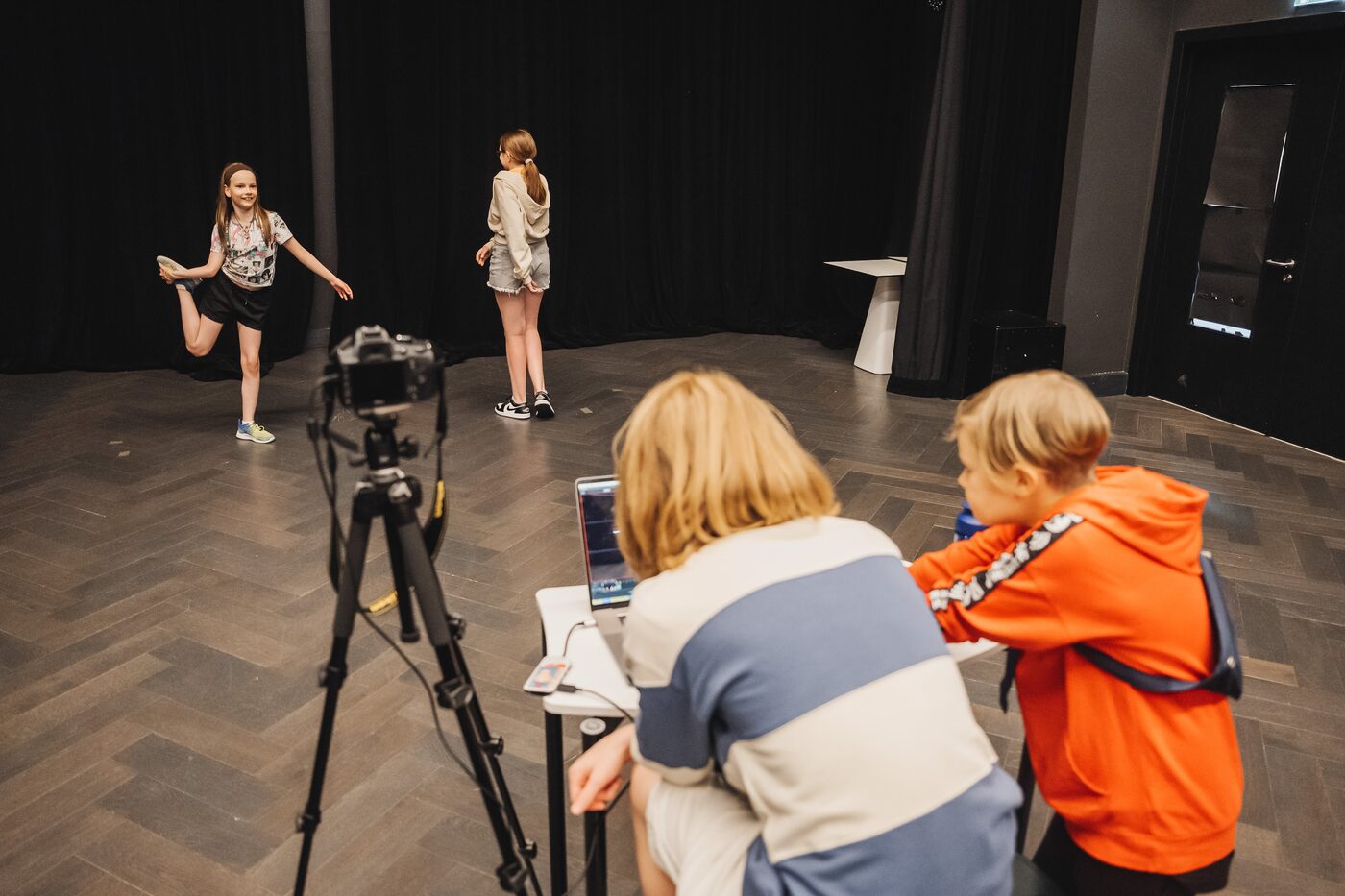
Fourteen short films, and every one of them went through the same process a professional crew would use: a script, a shot list, real camera and lighting decisions, a cast, and an edit — all handled by campers, with instructors stepping in to teach the tools, not to make the creative calls.
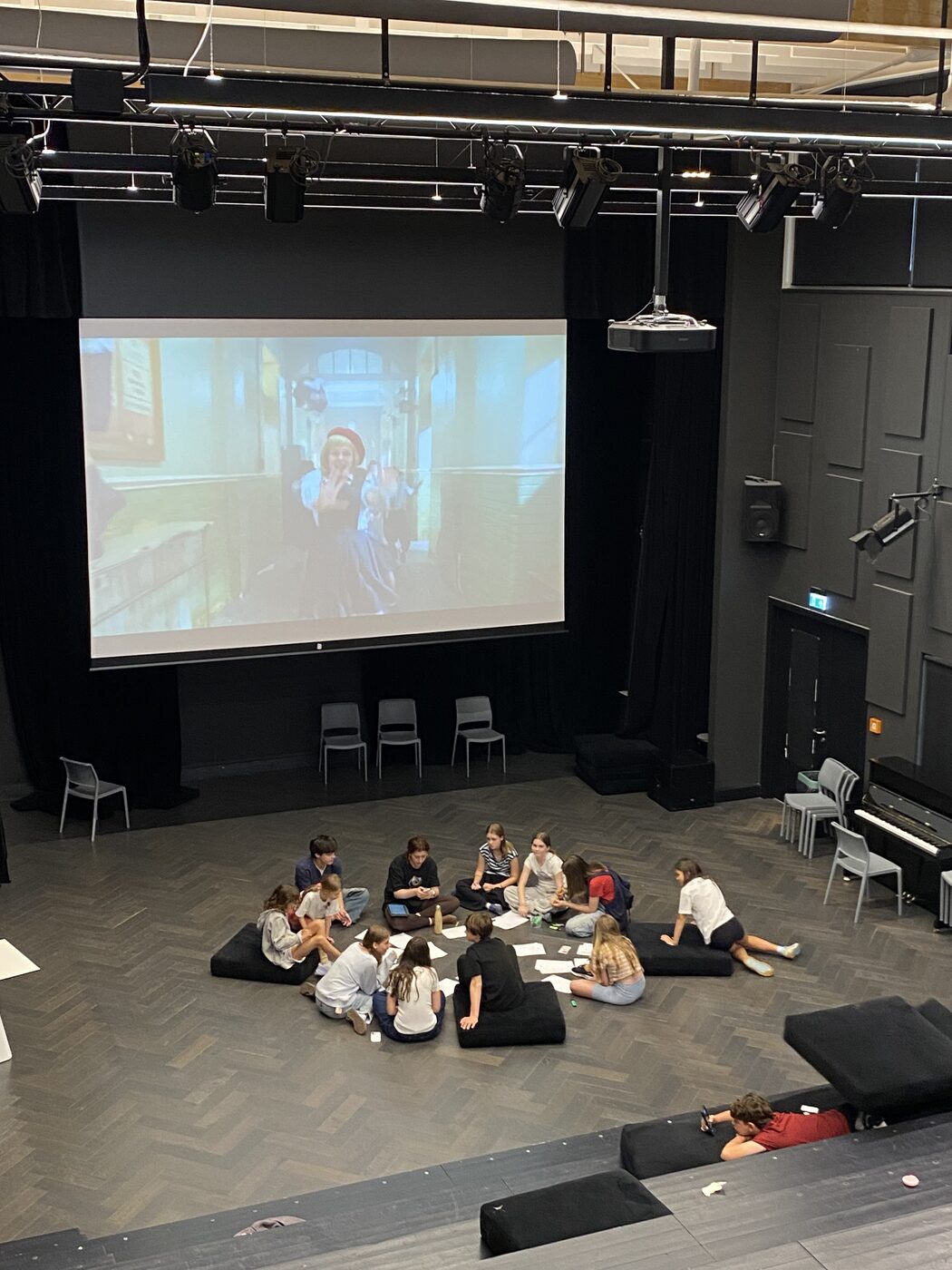
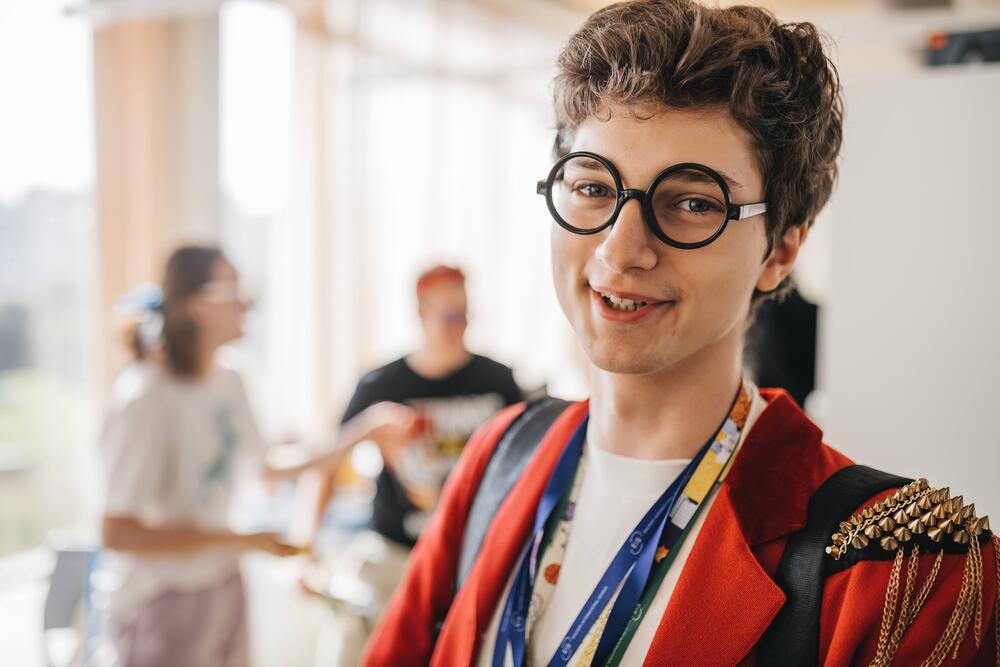
The results range from an alien invasion of the camp grounds to "Harijs Poters," a Latvian riff on a very famous wizard, filmed in the halls of EIS Campus. Below is our pick for 2025 — filmed, directed and reviewed by the crew in the black-box studio — and further down, all fourteen films made across four different summers.
Frame by frame
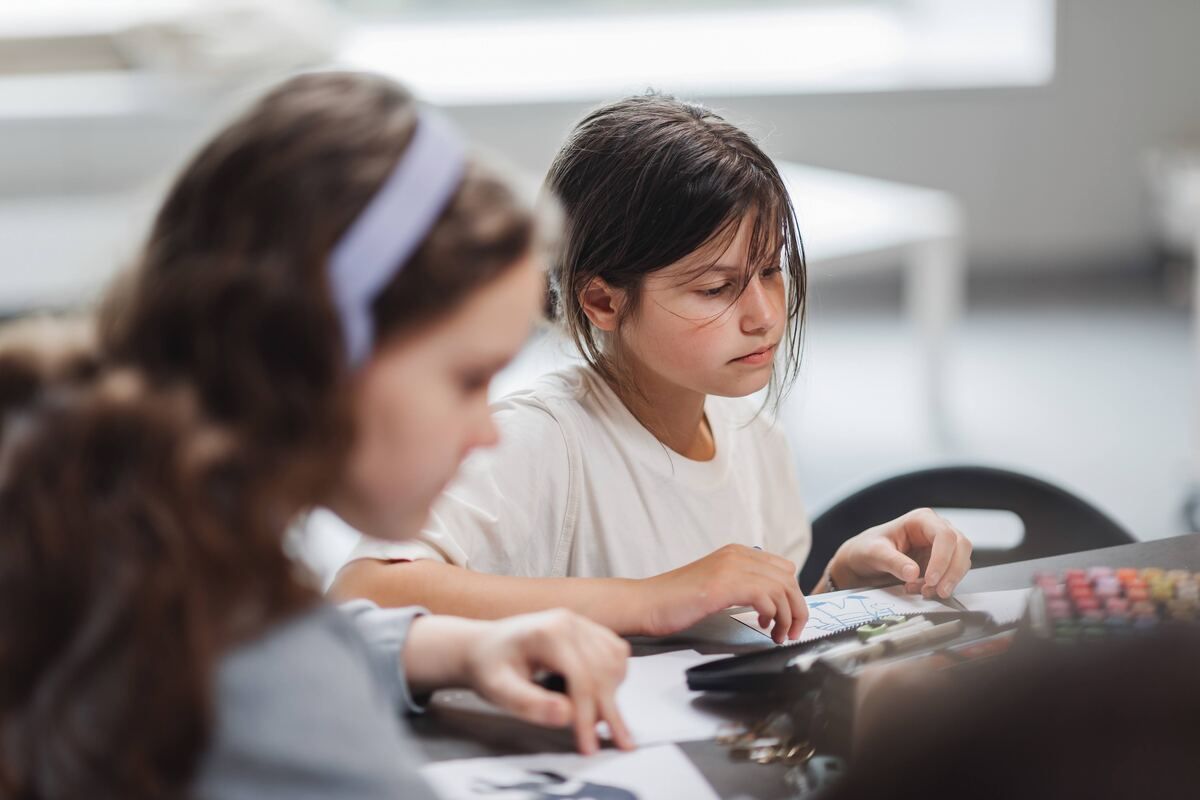
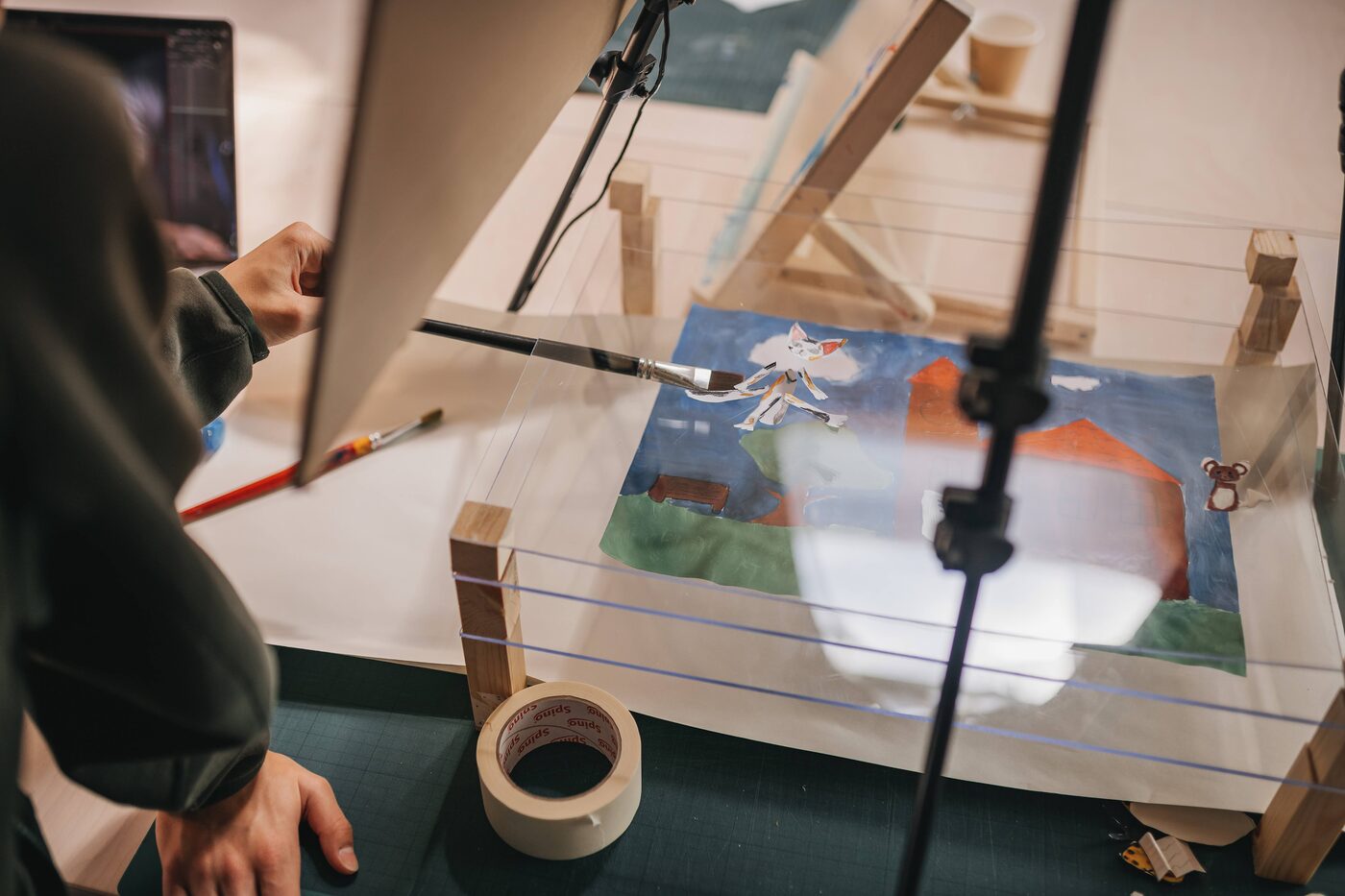
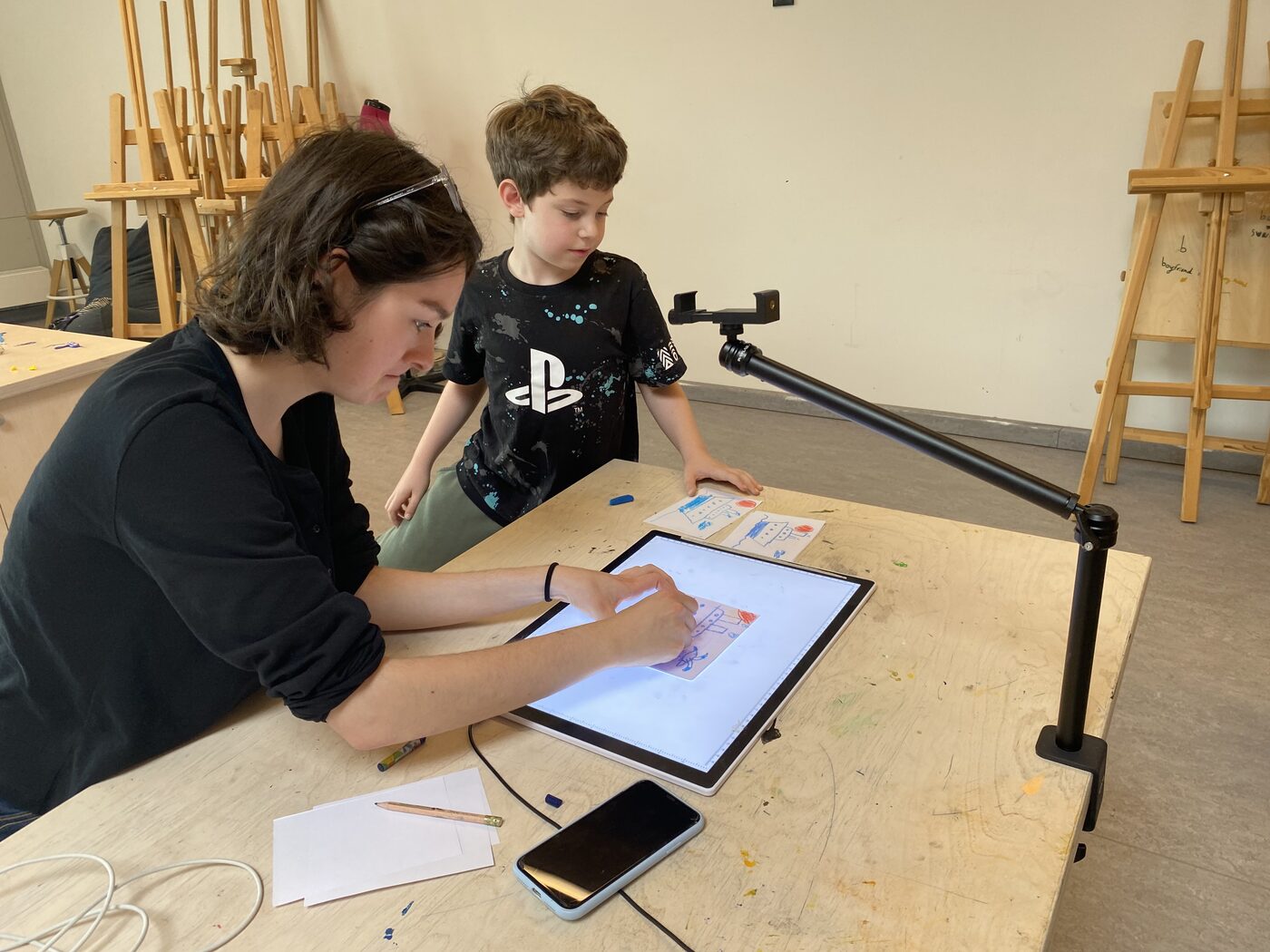
Animation is the slowest studio, and also the one where progress is most visible: campers plan a scene on a light table, shoot it frame by frame on a rig with a camera mounted on an articulated arm, and watch it come together one photo at a time — usually twelve to twenty-four of them for every single second of finished film.
The 2026 highlight is "Herrings Feel Freebom" — a stop-motion short about fish, imagined, drawn and shot entirely by campers. Watch it below, then see five more years of animation work: drawings, cut-outs, and documentary footage of the studio itself in action.
Where curiosity meets chemistry
What happens when you mix two clear liquids and get something bright blue? Why does a flame change colour? How do you make something glow in the dark — and why does it work? The Science Lab is where curiosity meets chemistry.
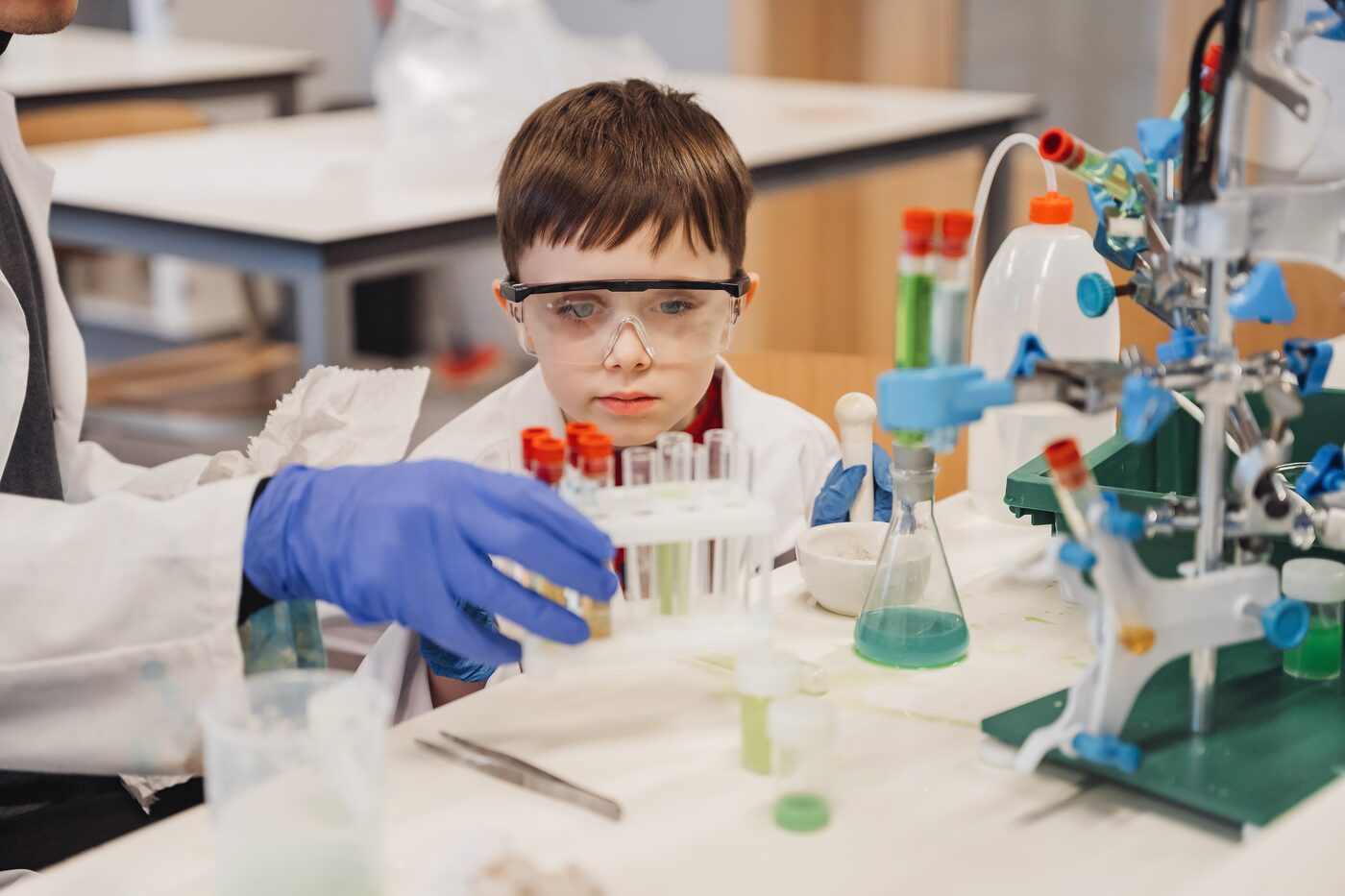
Over two weeks, campers run real experiments — not demonstrations they watch from a distance, but hands-on investigations they design, execute and interpret themselves. The lab covers a range of topics from chemical reactions and material science to light, energy and the surprising physics of everyday objects. Every experiment is a chance to ask a question, make a prediction, test it, and figure out what happened.
The approach is scientific, but the atmosphere is anything but dry — expect colourful reactions, unexpected results, and the kind of discoveries that make you want to try the next one immediately. Campers leave with a lab journal full of documented experiments and a deeper understanding of how science works in practice, not just in textbooks.
Three labs, one idea: make it with your hands
The Art Studio brings together three connected labs under one roof, each with its own material and its own lead — but the same idea running through all of them: that making something real with your own hands changes how you see the world.
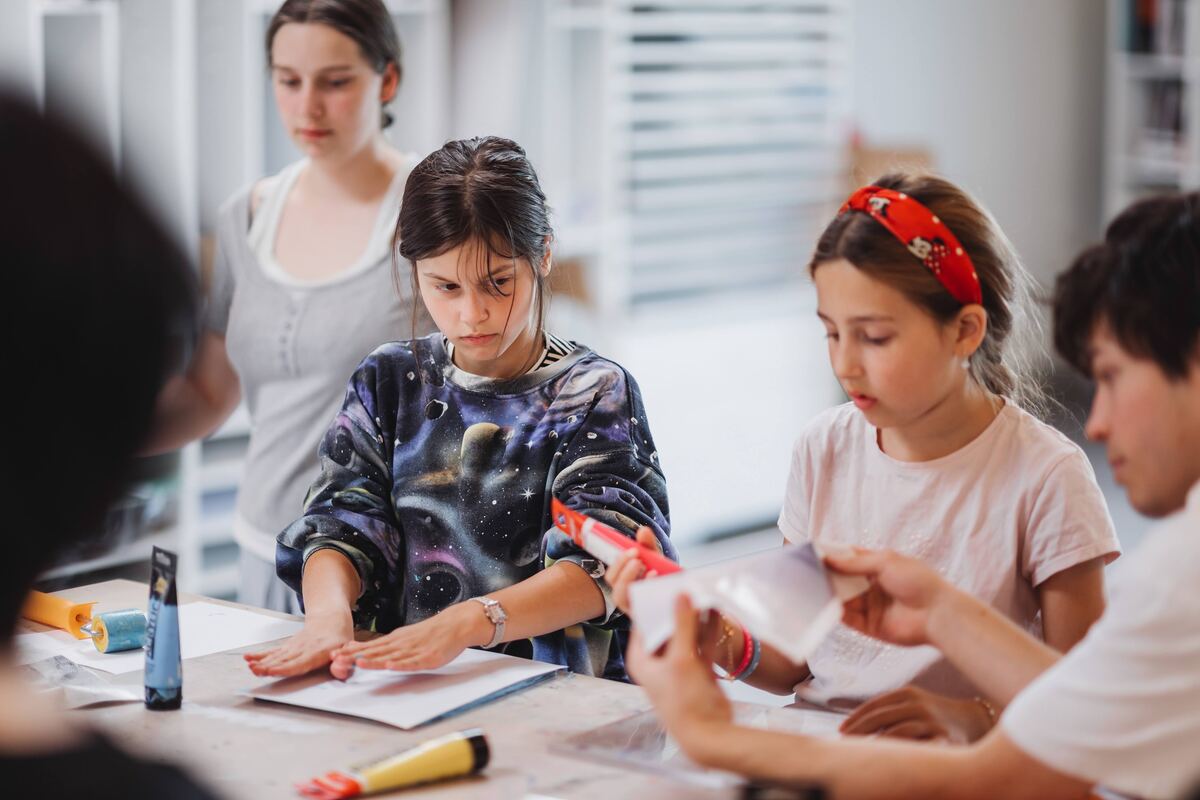
In The Art of Printing, led by Eliza Kreuzberg, campers work with linocut, collage and screen-printing — including printing their own designs onto t-shirts to take home. It's a studio about repetition, pressure, and the happy accidents that come from working with ink and a press.
In Made by People, led by Diana Ashurov, campers build objects rather than pictures — working across textiles, ceramics, wood and found materials towards a group exhibition, where every piece is something a camper designed and made from scratch.
And in the Photo & Sculpture Art Lab, led by Liubov Ostrinski, the subject is closer to home: campers explore portrait photography and build sculptural masks in a lab that's as much about self-discovery and identity as it is about materials and technique.
What if a jacket became a bag?
What happens when you take a jacket apart and turn it into something it was never meant to be? What if a pair of jeans became a bag, a dress, or a sculpture? The Fashion & Clothes Deconstruction Studio starts where most fashion programmes end: with finished garments.
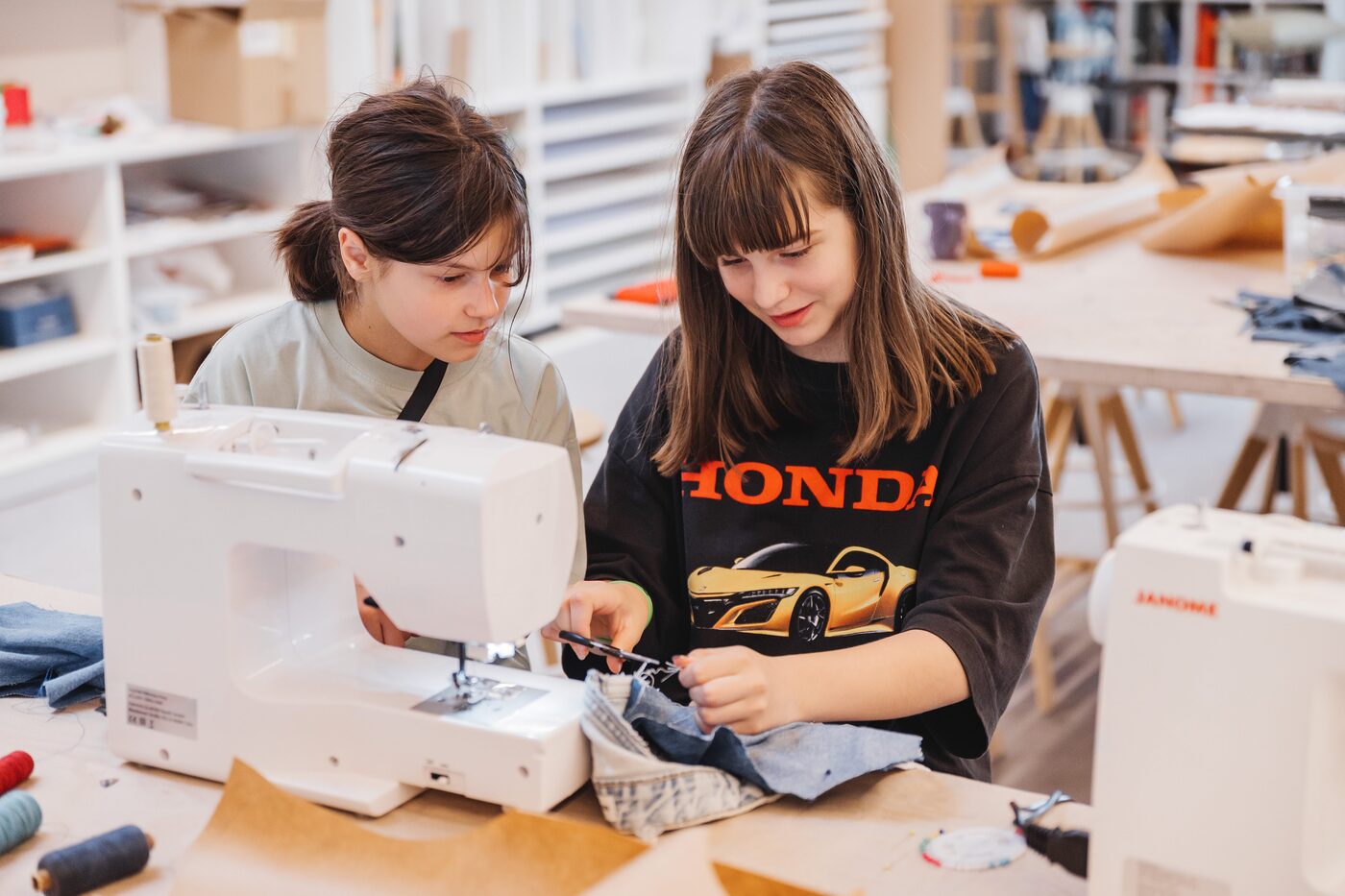
Campers learn to see clothing as material — cutting, unpicking, reshaping and reconstructing existing pieces into something completely new. Along the way, they learn the fundamentals of garment construction, textile manipulation and design thinking, working with real clothes, real tools and real sewing techniques from day one.
The two-week format gives space for experimentation, iteration and the satisfaction of bringing a design from concept to wearable reality. Every piece is unique — born from an existing garment and transformed by a camper's own idea and skill. The studio culminates in a runway show where campers present their creations to the camp and visiting parents.
Want a summer like this?
The next shifts are already taking shape — same spirit, new questions. Ages 3–17, English environment, Jūrmala & EIS Campus.